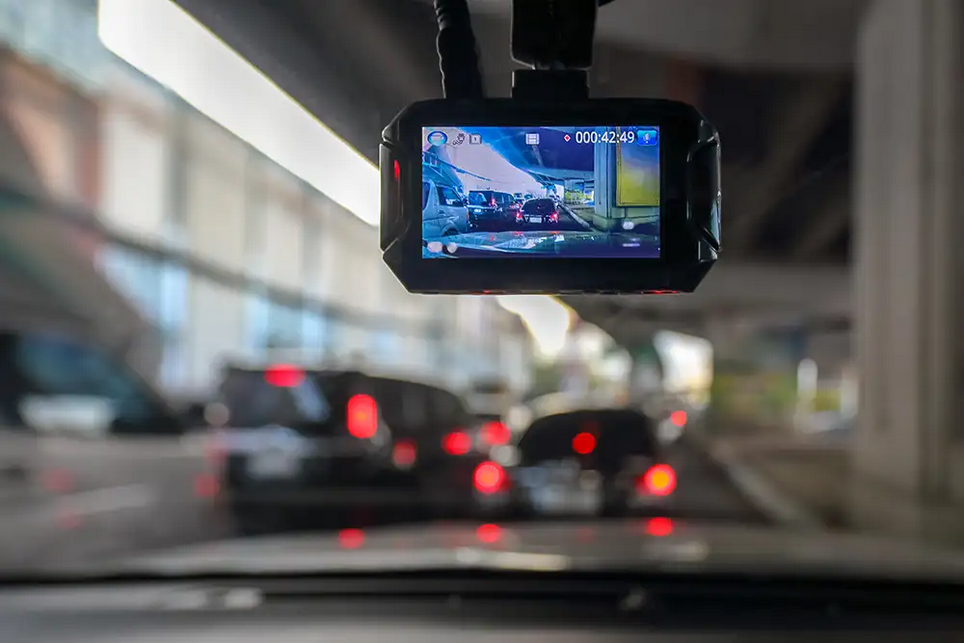

A dashcam has captured a Lexus driver attempting a rather audacious and ultimately unsuccessful attempt at toll evasion. The footage, which quickly went viral, highlights the increasing use of technology to catch drivers trying to avoid paying their fair share. This incident isn’t just a funny anecdote; it underscores a larger issue of toll evasion and the sophisticated methods employed to combat it. This blog post will delve into the specifics of this particular case, explore the wider context of toll evasion, and discuss the technological advancements making such attempts increasingly difficult.
The Lexus Toll Evasion Attempt: A Case Study
The video, originating from Australia and initially reported by The West Australian, shows a Lexus driver attempting to circumvent a toll gate by using a remarkably simple yet ultimately ineffective method. Instead of stopping and paying the toll, the driver attempted to squeeze their vehicle through the emergency lane. This lane is intended for emergency vehicles and breakdown assistance, not for everyday toll avoidance. The dashcam footage clearly captures the license plate and the entire maneuver, proving undeniably that the driver was deliberately attempting to evade the toll.
The consequences for the driver are likely to be severe. Beyond the obvious toll fee, they face significant fines and potential legal ramifications for misuse of an emergency lane. This underscores the point that such attempts are not only unethical but also carry serious consequences. The incident serves as a cautionary tale to anyone considering similar actions.
What Makes This Case Significant?
This case is significant for several reasons:
- Technological Capture: The dashcam footage provides irrefutable evidence of the driver’s actions. This highlights the increasing role of technology in catching offenders.
- Public Shaming: The widespread sharing of the video on social media led to public condemnation of the driver’s actions. This public shaming acts as a powerful deterrent.
- Deterrent Effect: The incident serves as a clear warning to others who might consider similar attempts at toll evasion. The risk of being caught and facing consequences is significantly increased.
- System Integrity: Toll roads rely on fair payment to fund their upkeep and maintenance. Toll evasion undermines this system and impacts everyone who uses these roads.
The Growing Problem of Toll Evasion
Toll evasion is a global problem affecting road networks worldwide. Drivers employ various methods to avoid paying, ranging from the simple (like the Lexus driver’s attempt) to the more sophisticated. These include:
- Using unregistered vehicles: Driving without proper registration makes it harder to trace offenders.
- Tampering with license plate readers: This involves attempting to obscure or alter license plates to avoid detection.
- Using stolen or cloned license plates: This allows drivers to avoid paying tolls by using plates linked to other vehicles.
- Driving through unauthorized access points: Some drivers try to bypass toll plazas altogether by using unofficial routes.
- Using fraudulent payment methods: This could involve using stolen credit card details or manipulated electronic payment systems.
The financial impact of toll evasion is substantial, costing toll operators millions of dollars annually. This loss of revenue directly affects the maintenance and upkeep of road networks, leading to potential safety hazards and reduced service quality for law-abiding drivers.
Technological Countermeasures Against Toll Evasion
To combat the rising problem of toll evasion, authorities are increasingly employing advanced technological solutions. These include:
- Advanced License Plate Recognition (ALPR): ALPR systems use cameras and sophisticated software to identify and track vehicles, automatically generating toll invoices.
- Automatic Number Plate Recognition (ANPR): Similar to ALPR, ANPR systems use cameras and databases to identify vehicles, ensuring payment for tolls.
- Video Surveillance: Increased deployment of CCTV cameras at toll plazas helps deter evasion and capture evidence of offenders.
- Electronic Toll Collection (ETC): ETC systems, such as E-ZPass and similar technologies, offer convenient and efficient ways to pay tolls, thereby reducing the incentive for evasion.
- Data Analytics and Artificial Intelligence (AI): Data analysis and AI algorithms can identify patterns and anomalies in toll payment data, helping detect and flag potential evasion attempts.
These technologies are not only improving the accuracy and efficiency of toll collection but also creating a more robust system that deters potential evaders. The increasing sophistication of these countermeasures significantly reduces the chances of successfully avoiding toll payments.
The Importance of Fair Toll Payment
Ultimately, the Lexus driver’s attempt to evade tolls highlights the importance of paying one’s fair share. Toll roads are essential infrastructure that requires significant investment and ongoing maintenance. Fair toll payment ensures that these roads are properly maintained, contributing to public safety and efficient transportation. The use of technology to catch evaders is not just about collecting revenue; it’s about maintaining the integrity of the road system and ensuring its sustainability for all users.
The incident serves as a powerful reminder that attempting to avoid tolls carries significant risks and potentially severe consequences. It’s far better to pay the toll and travel safely and legally than to risk the fines, legal repercussions, and public shaming that often accompany such attempts.